Dreaming of a place where you can stroll to coffee, pop into a local shop, and be at the river in minutes? Historic downtown Portage offers that small-city rhythm with real charm and convenience. If you are curious about the houses, the day-to-day lifestyle, and what it takes to own an older home here, you are in the right spot. You will learn what it feels like to live downtown, where to find amenities, and how to plan your next steps with confidence. Let’s dive in.
Where downtown Portage fits
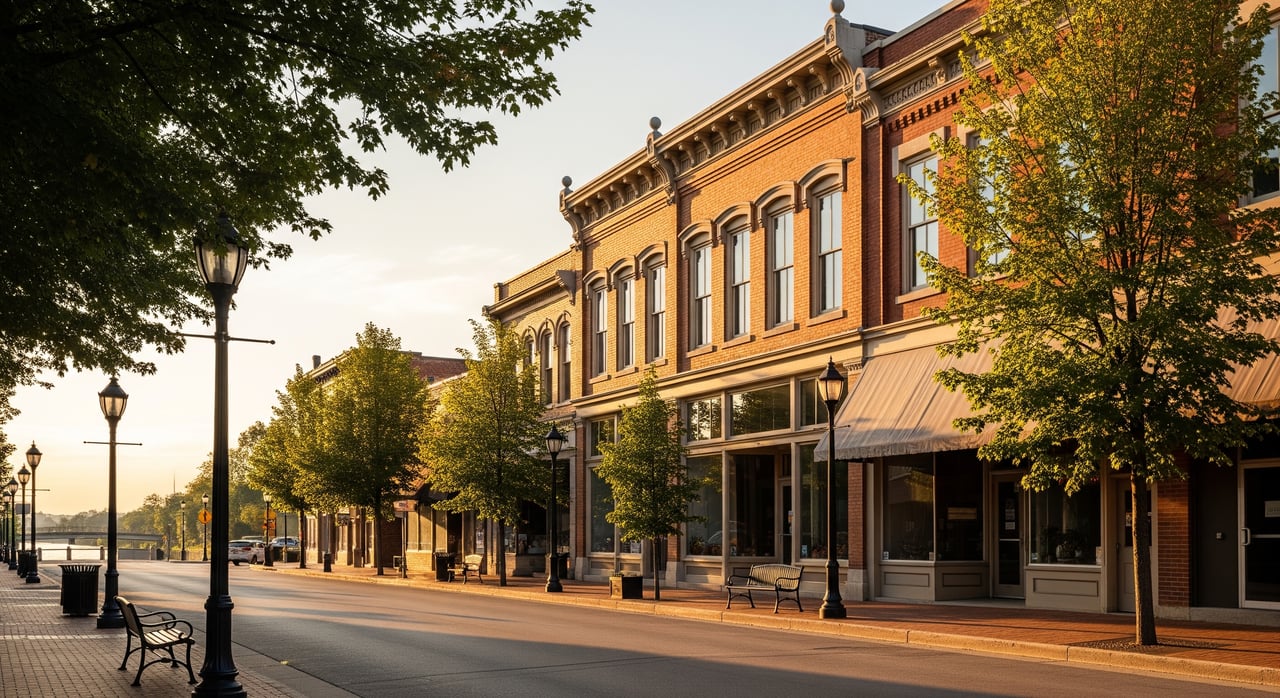
Portage sits at the meeting point of the Fox and Wisconsin River watersheds, a historic carry between waterways that gave the city its name. The downtown area hugs the canal and river corridor, with classic brick storefronts and civic buildings anchored by nearby residential blocks. Much of this character is documented by the Wisconsin Historical Society, and you will notice the heritage as you walk past 19th- and early 20th‑century architecture.
As a small regional hub for Columbia County, downtown Portage gathers government services, shops, and community events that also serve nearby towns. For business directories and current happenings, the Portage Area Chamber & Visitors Center shares helpful updates and visitor info.
Homes and architecture
If you appreciate historic details, you will find them here. Downtown and the adjacent blocks mix Italianate and Queen Anne homes, American Foursquares, and Craftsman bungalows, along with a few mid‑century infill houses. Many properties sit on smaller lots with mature trees, front porches, and original woodwork.
You will also see two- to three‑story brick commercial buildings that line the main streets. Closer to those blocks, there are occasional duplexes and small multi‑unit buildings. The tradeoff is one many buyers accept happily: charming historic features in exchange for potential updates to windows, insulation, wiring, or mechanicals.
Day-to-day living and walkability
Downtown Portage is compact and easy to navigate on foot. Within a 5 to 15 minute walk, you can reach cafés, restaurants, salons, banks, and professional services. The area supports a low‑stress daily routine, from quick breakfasts to simple errands.
Before you explore, check the Portage Main Street listings for local businesses and seasonal events. If you want a general snapshot of pedestrian convenience, tools like Walk Score can help you set expectations, though every block has its own feel.
Dining, coffee, and evenings out
Expect a locally focused scene with restaurants, pubs, and cafés, plus some seasonal outdoor seating. It is relaxed rather than late‑night, which makes a spontaneous weeknight dinner or a quiet drink easy to enjoy. On weekends, community events can add a little extra energy around the square and the canal.
For what is new or seasonal, both Portage Main Street and the Portage Area Chamber & Visitors Center post calendars and event highlights.
Parks, river access, and outdoor fun
Living near the canal and riverfront is a daily perk. You can walk to parks, use nearby boat launches, and find fishing spots along the water. Trails and greenways give you room to stretch your legs, and the scenery changes with the seasons.
If you love paddling, boating, or winter recreation, the Wisconsin Department of Natural Resources lists boat launches, trails, and regional park access. The city maintains local parks and public spaces, and the City of Portage shares updates on facilities and programs.
Getting around the region
Portage connects to the region via interstate corridors and state highways, which makes trips to larger employment centers feasible. If you commute to Madison, Wisconsin Dells, or other nearby towns, consider your peak-hour patterns and winter driving preferences. Public transit within Portage is limited compared with bigger cities, so a personal vehicle is helpful if you plan to travel beyond the downtown core.
Costs, utilities, and ownership basics
Many buyers find their purchase budget goes further here than in larger metro markets, but owning a historic home comes with its own cost curve. Older properties can require updates to insulation, windows, wiring, or plumbing, and some may have original stone or masonry foundations that deserve a careful inspection. Utility costs can vary with house size and efficiency, and premiums for insurance may reflect the age and materials of the home.
Property taxes, utility rates, and service schedules are set locally. For current municipal services, permits, and contact details, start with the City of Portage. If you want a demographic snapshot as you compare areas, the U.S. Census QuickFacts provides a high‑level view.
Buying a historic home: what to check
Older homes can be wonderfully solid, but you should go in with open eyes. When you tour, note the following and plan your inspections accordingly:
- Foundation and drainage: stone or older masonry, grading, gutters, and signs of moisture in basements or crawlspaces.
- Roof and exterior: roof age, siding or brickwork condition, paint, and porch elements like columns and railings.
- Windows and insulation: original windows with storms, air sealing, and attic or wall insulation.
- Electrical and plumbing: panel capacity, GFCI protection, presence of knob‑and‑tube or galvanized piping.
- Mechanical systems: furnace or boiler age, water heater, cooling, and ductwork.
- Interior updates: kitchen and bath modernization, code considerations, and storage.
If the property sits in a historic or conservation district, exterior changes may require review or permits. The City of Portage and the Wisconsin Historical Society are good starting points for guidelines and inventories.
Parking, lots, and storage
Downtown living often means smaller lots. Some homes have alleys, narrow driveways, or limited off‑street parking. On‑street parking and municipal lots help serve the core area, but if you have multiple vehicles, a boat, or outdoor gear, check where everything will go before you write an offer. Storage sheds or thoughtful garage plans can be valuable upgrades when permitted.
Who tends to love it here
If you value walkability, historic character, and quick river access, downtown Portage fits well. Downsizers often appreciate smaller lots and easy errands. Many first‑time buyers and young professionals enjoy living near coffee, dining, and seasonal events. Investors sometimes target houses close to commercial blocks or small multi‑unit properties, depending on goals and local rules.
Resale considerations
Historic charm and a walkable setting remain strong long‑term draws. Buyers who want a small‑city feel with regional access keep the downtown area on their short list. Potential constraints include narrower lots, limited off‑street parking, and the need for ongoing maintenance. A thoughtful pre‑listing plan that tackles deferred items and highlights period details can help you stand out when it is time to sell.
Smart next steps
- Walk the neighborhood at different times of day, including a weekday morning and a weekend afternoon.
- Tour a mix of houses to compare layouts, basements, and mechanicals.
- Ask about any historic‑district overlays and exterior change reviews.
- Review recent comparable sales and days on market for similar homes nearby.
- Budget for inspection items and energy‑efficiency improvements.
When you are ready to refine your search or list a property, work with a local professional who knows these blocks well and can spot both value and risk quickly.
Work with a local expert
Buying or selling in historic downtown Portage is part lifestyle and part strategy. You deserve guidance that blends neighborhood knowledge with strong marketing and negotiation. If you want a clear plan, local comps, and hands‑on advocacy from first tour to closing, connect with Mary Ramsey. We listen, we negotiate, and we deliver results with the care and responsiveness you expect.
FAQs
Is downtown Portage walkable for daily errands?
- Yes, the core area is compact, with shops, cafés, and services within a short walk, while larger supermarkets and big‑box options are a quick drive.
What kinds of houses are in downtown Portage?
- Mostly older single‑family homes in styles like Italianate, Queen Anne, American Foursquare, and Craftsman, plus some duplexes and small multi‑unit buildings.
Are there parks and public river access near downtown?
- Yes, canal and riverfront parks, trails, and boat launches are close to the core, with regional recreation options listed by the Wisconsin Department of Natural Resources.
What is the nightlife like in downtown Portage?
- It is relaxed and locally focused, with restaurants, pubs, and occasional live music or community events rather than late‑night urban nightlife.
What should I budget for when buying a historic home?
- Plan for potential updates to insulation, windows, wiring, plumbing, and mechanicals, along with routine maintenance that comes with older materials and systems.
Where can I find event calendars and business listings?
- Check Portage Main Street and the Portage Area Chamber & Visitors Center for current events, directories, and seasonal highlights.
