If you are looking for a small investment market that feels more practical than flashy, Portage deserves a closer look. You want a market where the numbers can make sense, the property types fit smaller budgets, and the local demand story is steady enough to support a thoughtful buy. In Portage, the data points to a moderate-price market with a real renter base, older housing stock, and room for selective value-add opportunities. Let’s dive in.
Why Portage Gets Investor Attention
Portage is a smaller market in Columbia County, with an estimated 2024 population of 9,975. Census data also shows a median household income of $64,722, a median gross rent of $1,008, and a median owner-occupied home value of $204,900. That combination suggests a market that is more attainable for small investors than many larger Wisconsin cities.
This is not a market built on luxury rents or rapid spikes in pricing. Instead, Portage looks more like a place where investors focus on reasonable acquisition costs, stable rental demand, and careful property improvements. For many buyers, that can be a smarter fit than chasing a hotter market with thinner margins.
Portage Rental Demand Looks Real
One of the clearest signs of investor potential is that Portage has a meaningful renter base. An ACS-based city snapshot reports that 42.88% of local housing is renter occupied for the 2019 through 2023 period. In a city with 4,333 housing units, that is a solid share for a smaller community.
The same snapshot shows 184 vacant units, or about 4.25% of total housing units. That does not mean every available unit is a rental, but it does suggest the market is not flooded with excess inventory. For a small investor, that can support a more stable outlook when you underwrite conservatively.
What Rents May Support
If you are trying to estimate cash flow, the most useful takeaway is the likely rent band. Current rental listing platforms cluster around roughly $1,000 to $1,225 per month for many common unit types in Portage. Studio, one-bedroom, and two-bedroom asking rents vary by platform, but the broader pattern is fairly consistent.
That range also lines up reasonably well with HUD’s FY2026 Columbia County fair market rents of $911 for a one-bedroom and $1,195 for a two-bedroom. In plain terms, many everyday units in Portage appear to fit within a moderate rent range rather than a premium one. If your deal only works by pushing rent far above that band, you may need to take a second look.
A practical rent mindset
For many small investors, the key is not finding the highest advertised rent online. It is understanding what a typical renter in Portage is likely to pay for a clean, functional, well-located unit. That means your numbers should reflect local reality, not best-case projections.
A disciplined approach matters even more in a market like this because Portage rent ceilings sit well below nearby Madison figures. That gap can affect rehab strategy, resale assumptions, and long-term return expectations. In other words, Portage can work, but it usually rewards restraint.
Property Types That May Fit Small Investors
Portage and the wider county appear to be a better fit for buyers looking at smaller-scale properties than for those seeking brand-new multifamily assets. Columbia County’s housing stock is still dominated by single-family detached homes, which account for 75.4% of occupied units in the county’s 2020 census breakdown. Smaller multifamily categories exist, but they make up a much smaller share of the inventory.
That matters because many small investors start with familiar product types. In Portage, that might include a single-family rental, duplex, small apartment building, or a mixed-use property with a manageable footprint. These are often the types of opportunities that align with both the local housing stock and the local rent structure.
Older buildings are part of the story
RentCafe reports that 77% of Portage rentals are in small-scale complexes under 50 units, 14% are single-family rentals, and only 8% are in larger buildings with more than 50 units. It also reports an average rental-building age of 50 years and no new apartment buildings completed since 2000. That points to a market shaped more by older existing inventory than by new large-scale development.
For small investors, that can be an opportunity and a warning at the same time. Older properties may offer room to improve management, condition, or layout, but they can also bring higher repair risk. You need to be realistic about maintenance, systems, and renovation scope before you buy.
Mixed-Use Could Be Worth a Look
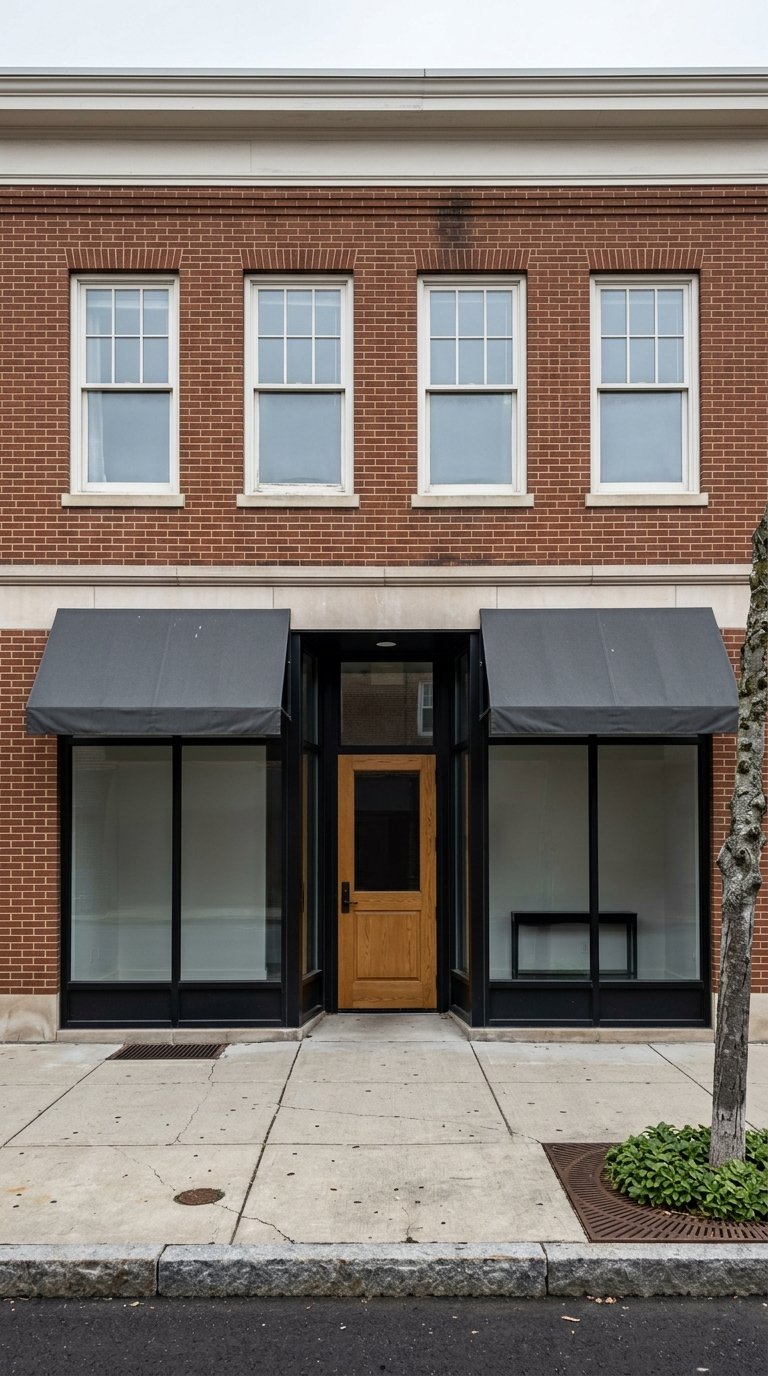
Portage may also be interesting if you are considering a small commercial or mixed-use property. The Portage Housing Task Force report recommends identifying vacated commercial buildings that could be converted to residential use. It also supports considering mixed-use multifamily with first-floor retail, office, or other commercial uses outside the downtown B-1 zoning district.
That does not mean every building is a good conversion candidate. It does suggest that local planning conversations have made room for adaptive reuse and mixed-use ideas. For investors who like smaller storefronts or flexible properties, that is worth paying attention to.
Why the local economy matters
The same housing report describes Portage as a county-seat community with county public services, nonprofit services, and healthcare providers. The Portage Chamber also describes the city as being on the I-39 corridor near I-90/94, with rail and airport access and a diverse industrial base.
For an investor, that kind of location profile can help support everyday demand. It suggests Portage is not relying on one narrow source of activity. Instead, it serves residents, workers, commuters, and local service needs, which can matter for both rental housing and smaller commercial spaces.
What Makes Portage Selective
Portage does not look like a market where you can overpay, overspend on rehab, and count on rent growth to bail you out. The research points to a more measured environment. That is why this market may be smart for investors who buy carefully and manage tightly.
This is especially important because the local housing stock tends to be older and smaller in scale. If a property needs major work, you should verify that the post-repair rents still fit the local market. If the finished numbers land too far above what typical Portage renters pay, your margin may get very thin.
Signs of Housing Need
There are also some signals that Portage has room for the right housing product. The Portage Housing Task Force report says residents were supportive of senior housing, smaller single-family homes, townhouses, duplexes, studio and one-bedroom apartments, and smaller apartment buildings. It also says 48% of respondents felt current housing in Portage does not meet their household’s needs.
That does not guarantee an easy win for every investor. It does suggest that practical, right-sized housing may be better aligned with local demand than oversized or luxury concepts. In a market like Portage, matching the product to the community may matter more than chasing trendier ideas.
So, Is Portage Smart for Small Investors?
For the right buyer, yes, Portage can be a smart market. The data supports a view of Portage as a selective small-investor market with moderate rents, a real rental base, and older housing stock that may offer value-add potential. It appears better suited to cash-flow-focused and rehab-minded investors than to buyers looking for high-rent, fast-appreciation plays.
That means your best opportunities may come from buying well, budgeting carefully, and staying grounded in local rent levels. A clean single-family rental, a duplex, a small multifamily building, or the right mixed-use property may all deserve a close look. The smart play in Portage is usually discipline, not speculation.
If you are thinking about buying an investment or small commercial property in Portage, having local guidance can make a real difference. Mary Ramsey can help you evaluate opportunities, compare property types, and make a more confident move in the Portage market.
FAQs
Is Portage, Wisconsin a good place to buy a rental property?
- Portage may be a good fit if you want a smaller market with moderate home values, a meaningful renter base, and rent levels that support conservative underwriting.
What rent can investors expect in Portage, Wisconsin?
- Current asking-rent sources suggest many common Portage units fall around $1,000 to $1,225 per month, depending on unit type, condition, and location.
What types of investment properties fit Portage best?
- Smaller-scale properties such as single-family rentals, duplexes, small apartment buildings, and some mixed-use properties appear to fit Portage better than large new multifamily projects.
Are older properties common in Portage, Wisconsin?
- Yes. Research indicates Portage rentals skew older, with an average rental-building age of about 50 years, so condition and repair planning are important.
Is Portage better for cash flow or appreciation?
- Based on the local rent and housing profile, Portage appears more aligned with cash-flow and value-add strategies than with high-rent or fast-appreciation expectations.
