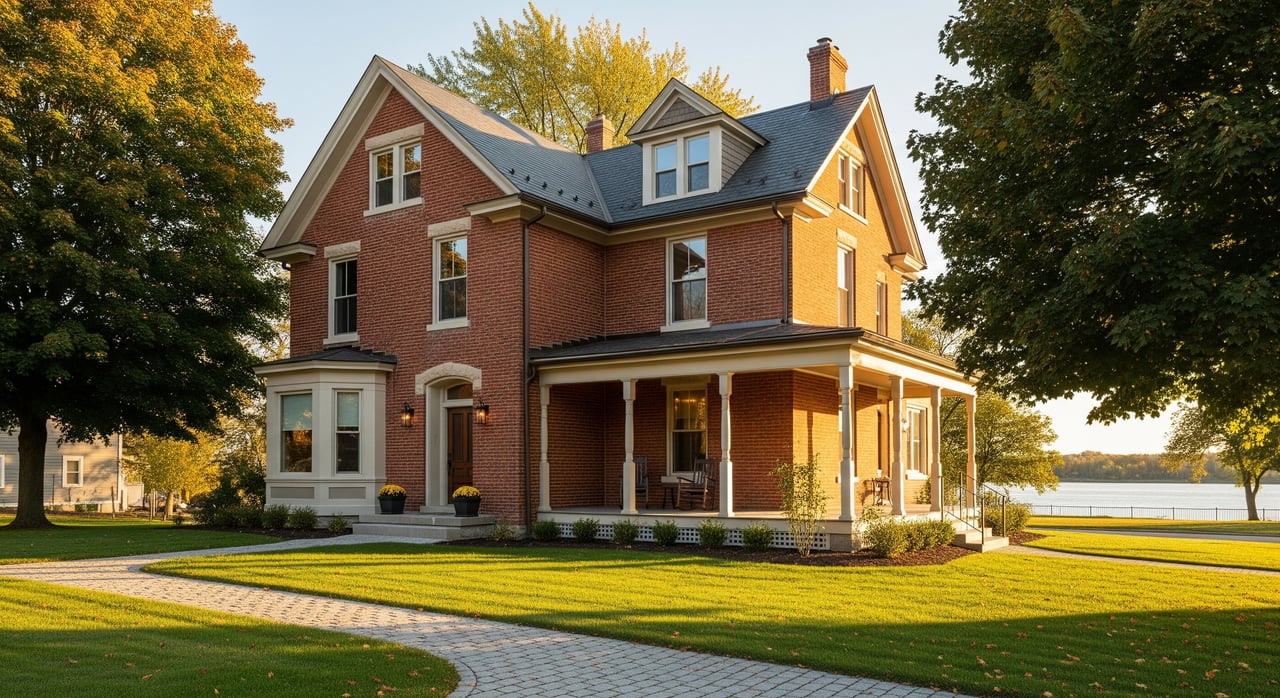
Buying your first home in Portage can feel exciting and a little overwhelming. You want a clear path, straight answers, and local guidance you can trust. In this guide, you’ll learn the Wisconsin buying process, real costs to plan for, Portage-specific inspections, and the loan programs that can help you get the keys. Let’s dive in.
Why buy in Portage
Portage and Columbia County offer a mix of starter homes, classic single-family properties, and small-acreage options. You get a small-town pace with quick access to I-39, I-90, and I-94 for regional commutes. Many buyers also look at outdoor recreation and quiet streets as part of their decision. If you want value and room to grow, Portage is a practical place to start.
Your step-by-step path in Wisconsin
1) Get pre-approved
Start by setting your budget with a lender. You’ll typically provide pay stubs, W-2s or tax returns from the last two years, bank statements, and a photo ID. Pre-approval often takes 1 to 7 business days. A strong pre-approval helps your offer stand out and can surface credit fixes early.
2) Tour homes and write offers
Work with a local buyer’s agent who knows Portage houses, wells and septics, flood zones, and municipal rules. Your written offer will include price, earnest money, financing and inspection contingencies, closing date, and items that stay or go. Wisconsin commonly uses standardized Wisconsin purchase forms that help reduce surprises for both sides.
3) Plan your earnest money
Earnest money shows good faith and usually becomes part of your purchase funds at closing. In Portage, amounts vary widely and are often a few hundred dollars up to 1 to 3 percent of the price, or a fixed amount you and the seller agree on. How much you offer can strengthen your position without overextending your budget.
4) Inspect and verify
Schedule a general home inspection right away after acceptance. Add tests that matter locally, like radon, well water quality, and septic inspections when applicable. Inspection periods are commonly 5 to 15 business days, depending on your contract. Use this time to confirm property details and negotiate repairs or credits if issues arise.
5) Appraisal and underwriting
Your lender orders the appraisal to confirm value. Underwriting reviews your loan file and typically takes 2 to 4 weeks after the appraisal is ordered, depending on how quickly documents are provided. If the appraisal comes in low, your agent and lender will discuss options, which can include renegotiation or loan changes.
6) Close with confidence
In Wisconsin, closings are usually handled by a title company or attorney. Your lender must give you a Closing Disclosure at least 3 business days before closing. Expect to sign loan documents, review title insurance, and pay closing costs unless you negotiated seller credits.
What it really costs to buy
Upfront and closing costs
- Down payment: FHA as low as 3.5% for many qualified buyers; some conventional options start at 3% to 5% for first-time buyers; VA and USDA can be 0% for eligible buyers.
- Closing costs: Plan for about 2% to 5% of the purchase price for lender fees, title services, recording, and prepaids for taxes and insurance.
- Inspections and tests: A general home inspection is often a few hundred dollars, with separate fees for radon, well water lab tests, and septic inspections.
Monthly and ongoing costs
- Mortgage payment, property taxes, and homeowner’s insurance, plus private mortgage insurance (PMI) or FHA mortgage insurance if required.
- Utilities, possible HOA fees, and routine maintenance.
- Budget a cushion for immediate needs like moving, paint, or appliances. Many first-time buyers set aside 1% to 3% of the purchase price as a starter reserve.
Portage-specific checks to prioritize
Private wells and septic systems
Many properties outside the city core rely on private systems. Ask for seller records for well and septic service, and order independent well water testing and septic inspections. Lenders and buyers commonly require these results. Build time and budget for potential repairs or updates.
Radon testing
Elevated radon can occur in parts of Wisconsin. Include a radon test with your inspection. If levels are high, mitigation is usually effective and often costs in the low thousands. For more context, see the state’s Wisconsin radon testing guidance.
Flood risk and insurance
Portage sits near rivers and waterways, and some areas fall within FEMA flood zones. Check the FEMA Flood Map Service Center for the property’s flood designation and ask your insurer for a quote. Lenders may require flood insurance in higher-risk zones. You can also review the City of Portage official website for local floodplain resources.
Permits, disclosures, and utilities
Sellers in Wisconsin typically provide a disclosure statement describing known defects. Ask for past building permits and contractor invoices when available, and verify records with the city or county. Start with Columbia County government offices or the City of Portage official website for permits, zoning, and utility contacts.
Schools and commute
Many buyers consider school boundaries and bus routes. The Portage Community School District serves most of the area. Confirm commute patterns using your typical travel times to regional employment centers via I-39, I-90, and I-94.
Loans and assistance for first-time buyers
- WHEDA: The Wisconsin Housing and Economic Development Authority offers affordable mortgages and down payment assistance for qualifying buyers. Explore current options on the WHEDA first-time homebuyer programs page.
- FHA: Low down payment and flexible credit guidelines. Learn more at FHA loan basics from HUD.
- VA: 0% down for eligible service members, veterans, and some surviving spouses.
- USDA: 0% down for eligible rural areas and incomes. Parts of Columbia County may qualify. Check a property’s status on the USDA Rural Development eligibility map.
- Conventional 3% to 5%: Many lenders offer first-time buyer programs with cancellable PMI once you reach about 20% equity.
Tip: Compare quotes from a local lender who knows Portage property types as well as a larger lender, so you can weigh fees, timelines, and service.
Sample 45-day timeline
- Days 1–7: Pre-approval and home tours.
- Days 8–14: Offer, acceptance, order inspections.
- Days 15–25: Inspection reports, repair negotiations, order appraisal.
- Days 20–40: Appraisal complete, underwriting finalizes your file.
- Day 42: Receive your Closing Disclosure at least 3 business days before closing.
- Day 45: Final walk-through and closing.
Timelines vary. Cash or well-prepared financed deals can sometimes close faster. Confirm the expected window in your offer.
First-time buyer checklist
- Get pre-approved and set your max comfortable payment.
- Tour homes, review disclosures, and confirm utility types.
- Verify if the property uses city services or a private well and septic.
- Order a general home inspection plus radon, well water, and septic tests when applicable.
- Check flood zone status and discuss insurance with your lender and insurer.
- Review permit history with the city or county.
- Compare loan options, rates, and total cash to close.
- Coordinate appraisal, title work, and your final walk-through.
Work with a local advocate
Buying in a smaller market is all about details: wells and septics, flood zones, appraisals with limited comps, and the right contract language. You deserve an agent who is responsive, proactive, and dialed into Portage and Columbia County. If you are ready to take the next step, connect with Mary Ramsey for local guidance from pre-approval to closing, and Schedule a Consultation.
FAQs
How much should a first-time buyer budget for closing costs in Portage?
- Plan for roughly 2% to 5% of the purchase price, plus inspection fees and prepaid taxes and insurance.
What inspections are most important for Portage and Columbia County?
- A general home inspection, radon test, and, if applicable, well water testing and a septic inspection, plus a flood zone check.
How long does it take to buy a home with financing in Wisconsin?
- Many transactions close in about 30 to 45 days after offer acceptance, depending on appraisal and underwriting.
What is earnest money and how much is typical locally?
- It shows good faith and is credited toward your purchase; amounts often range from a few hundred dollars up to 1% to 3% of the price or an agreed fixed amount.
Where can I find down payment assistance in Wisconsin?
- Start with WHEDA first-time homebuyer programs and ask local lenders about additional options.
How do I check flood risk before I make an offer?
- Review the FEMA Flood Map Service Center and contact the city or county for local floodplain guidance.
